Cute Lazy Capybara: A Laid-Back Charm for Craft Fair Embroidery
First Impressions: Adorable, Relaxed, and Perfect for Handmade Appeal
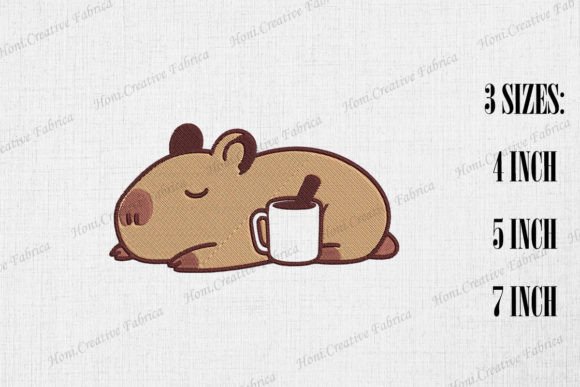
As an embroidery designer preparing for a weekend craft fair, the Cute Lazy Capybara immediately caught my eye. It’s a soft, approachable design that leans into the current trend of cute, low-effort animal motifs. The name alone makes you smile, and the design delivers on that promise—playful, whimsical, and slightly sleepy. It feels like a perfect fit for handmade products that want to feel cozy, friendly, and just a little bit quirky.
It’s not bold or dramatic, but that’s a good thing. This design brings a sense of calm charm to your booth, making it ideal for tote bags, tea towels, and baby onesies where softness and charm are key selling points.
How Cute Lazy Capybara Performs on Craft Fair Products
This machine embroidery design is versatile, but where does it truly shine? Let’s break it down by product type:
- Tote Bags: Works great as a front-and-center design. The capybara’s relaxed posture fills the space nicely without feeling cluttered.
- Aprons: Makes a sweet accent near the hip or chest area. Especially appealing for boutique-style kitchen aprons.
- Tea Towels: A natural fit. Embroidering it near the corner or center gives a decorative, handmade feel that customers love.
- Embroidered Patches: Scales well for patches, especially if used as a sew-on or iron-on accent for denim jackets or tote bags.
- Caps: May work best as a small version on the side or back, depending on hoop size and cap curvature.
- Fabric Pouches: Adds a cute focal point to small zipper pouches, perfect for Etsy gift sets or market grab bags.
- Pillow Covers: A centered capybara motif brings character to neutral linen or cotton pillow covers.
Visibility and Clarity: What Sellers Need to Know
One of the first things I consider when selecting embroidery files for a craft fair booth is how well the design reads at a glance. The Cute Lazy Capybara has a clear silhouette and expressive features, making it easy to recognize even from a short distance. That’s a big plus for foot traffic and customer engagement.
It works best as a medium-sized focal design rather than a tiny accent. If you're planning to shrink it down for patches or caps, be sure to test clarity first—especially if there are small facial details that could blur at smaller sizes.
Photography and Online Listings: How It Sells Digitally
For Etsy sellers and digital crafters, this design has strong visual appeal in product photos. The capybara’s gentle posture and cute expression photograph well, especially on white or light-colored backgrounds. It pairs beautifully with lifestyle shots—think embroidered tea towels draped over a rustic kitchen setup or a tote bag slung casually over a chair.
When creating printable mockups or design assets, make sure to highlight the texture of the embroidery stitches. This adds perceived value and showcases the handmade quality of your small shop product.
Production Practicality: Is It Batch-Friendly?
From a production standpoint, the Cute Lazy Capybara is a solid choice. It’s repeatable across multiple items without feeling redundant, especially when paired with different thread colors or fabric textures. However, pay attention to stitch density—dense areas may require extra stabilizer or slower stitching speeds to avoid puckering.
If you're planning to embroider on textured towels or thick cotton, test the design on similar fabric first. Also, if the capybara includes small lettering or intricate details, verify that those elements hold up on your hoop size and fabric type.
Display Strategy: Making It Stand Out at the Craft Fair
In a booth filled with handmade products, the Cute Lazy Capybara stands out for its personality. It draws in younger buyers and animal lovers, especially when displayed on tote bags, aprons, and embroidered patches. Consider grouping items with this design together to create a cohesive, themed display that customers can easily recognize and connect with.
Use signage that highlights the “cute” and “lazy” vibe—think of phrases like “Relax with Capybara,” or “Bring Home the Calm.” This kind of branding helps reinforce the mood and makes your booth feel more intentional.
Stitching Tips for Best Results
Before jumping into full production, here are a few practical embroidery designer notes to keep in mind:
- Test on Scrap Fabric: Always run a test stitch-out on similar fabric before embroidering your final product.
- Check Thread Contrast: Ensure the thread colors included in the embroidery file work well with your chosen fabric.
- Review Spacing: Make sure facial features and small details are spaced properly to avoid bleeding or distortion.
- Confirm Hoop Size: Check that the design fits within your available hoop size, especially for curved surfaces like caps.
- Inspect Stitch Density: Dense areas may require adjusting tension or using a lightweight stabilizer to prevent fabric damage.
- Create a Real Mockup: One physical sample goes a long way in understanding how the design looks in person.
- Compare Fabric Colors: Try the design on both light and dark fabrics to see which gives the best contrast and clarity.
- Confirm Commercial Licensing: Always verify that the design is licensed for commercial embroidery if you plan to sell finished products.
Final Thoughts: A Smart Addition to Your Embroidery Lineup
The Cute Lazy Capybara is more than just a fun design—it’s a smart choice for craft fair sellers, Etsy entrepreneurs, and boutique makers looking to add personality to their handmade products. It balances charm with practicality, photographing well, embroidering smoothly, and displaying beautifully in person.
As with any digital embroidery file, take the time to test and adapt it to your materials and products. But once you do, you’ll find it’s a reliable, crowd-pleasing design that brings warmth and whimsy to your booth and online listings alike.