Give Thanks and Eat Pie: A Designer’s Review for Personalized Gifts
First Impressions: Charming, Playful, and Seasonally Sweet
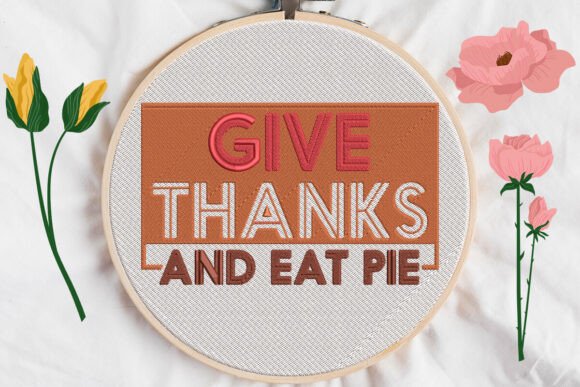
When I first opened the Give Thanks and Eat Pie embroidery file, I was struck by its lighthearted charm. It’s a design that feels both festive and versatile—perfect for the Thanksgiving season but not limited to it. The playful script paired with a whimsical pie graphic gives it a handmade feel that’s hard to resist. Whether you're crafting for a baby shower, a wedding gift, or a cozy kitchen towel set, this design adds a touch of warmth and personality.
Perfect for a Variety of Personalized Gift Products
As an embroidery designer, I’m always on the lookout for versatile digital embroidery files that can translate well across different product types. Give Thanks and Eat Pie fits the bill. Here’s how I see it working for different handmade items:
- Baby Embroidery: Great for a Thanksgiving-themed baby blanket or a personalized apron for a little baker-in-training. Just add a name and date for a keepsake that parents will cherish.
- Wedding Gifts: Use it on a custom tote bag or a pillow cover for a couple who loves cozy, meaningful decor. Pair it with their names and a date for a lighthearted but elegant touch.
- Personalized Towels: This design adds a seasonal flair to kitchen or bath towels. It’s quirky enough to stand out but still elegant for a gift shop setting.
- Nursery Decor: Works beautifully on wall hangings or pillow embroidery. The soft curves and sweet message make it ideal for a warm, inviting nursery space.
- Craft Fair and Etsy Listings: This machine embroidery design is eye-catching and seasonal, making it a great option for digital embroidery file bundles or ready-to-ship items.
Where to Use It Carefully: Fabric and Placement Matter
While Give Thanks and Eat Pie is undeniably charming, there are a few practical considerations when using it for custom embroidery:
- Small Lettering: The script is delicate in places. If you're embroidering on stretchy baby clothes or thin cotton, test on scrap fabric first to ensure clarity.
- Textured or Thick Fabrics: On thick towels or textured linen, some of the finer details may get lost. Consider using a lighter thread color to highlight the design.
- Curved Surfaces: For items like mugs with embroidered sleeves or curved tote bags, hoop placement is key. Make sure the design sits flat and centered.
- Dark Fabric: The intricate pie graphic might not pop as well on black or navy. Do a mockup in both light and dark thread colors to see which gives the best contrast.
- Frequent Washing: If you're stitching on baby clothes or kitchen towels, use a quality stabilizer and check stitch density to prevent fraying over time.
How It Boosts Giftability and Customer Engagement
One of the biggest selling points of this embroidery file is how it enhances the perceived value of a handmade product. The design feels thoughtful and intentional—like it was made just for the recipient. When I stitched it onto a custom tote bag with a name and date added, it immediately felt more personalized and gift-worthy.
For Etsy sellers and small shop owners, that kind of emotional connection is gold. Customers are more likely to trust your brand and return for future orders when they feel like your products are made with care. Give Thanks and Eat Pie also photographs beautifully, especially on soft fabrics like flannel or linen, making your product listings more engaging and shareable.
Practical Embroidery Notes for Best Results
If you're planning to use this design for customer orders or digital product sales, here are a few key tips to ensure the best results:
- Test on Scrap Fabric: Always run a test stitch before committing to your final product. This helps you catch any issues with thread tension or design clarity.
- Check Thread Color Contrast: Especially important on dark or patterned fabrics. Use a printable mockup if available to visualize how the final design will look.
- Confirm Hoop Size: Make sure the design fits within your embroidery machine’s hoop size. If not, look for a resized version or contact the designer for alternatives.
- Review Stitch Density: A dense stitch pattern holds up better on frequently washed items like towels and baby clothes.
- Use Proper Stabilizer: Especially for stretchy or delicate fabrics. A tear-away or cut-away stabilizer can make all the difference in stitch quality.
- Compare Light and Dark Mockups: Some details may be less visible on dark thread. Try both versions to see which looks best for your product.
- Check Small Details After Stitching: Look closely at the pie graphic and script to ensure nothing stitched out blurry or distorted.
- Confirm Commercial Licensing: If you're selling finished products or digital embroidery files, always check that you have the right to do so with this design.
Final Thoughts: A Sweet Addition to Your Embroidery Collection
Give Thanks and Eat Pie is more than just a seasonal embroidery design—it’s a versatile, emotional, and visually appealing option for makers and sellers alike. Whether you're creating baby embroidery, wedding gifts, or small shop products, this design brings a touch of handmade warmth that customers will appreciate.
As a designer, I’d confidently add this to my rotation for custom orders and digital embroidery file bundles. Just remember to test thoroughly, consider fabric types, and always keep the end-use in mind. With the right care and placement, this playful design can elevate your handmade gifts and make your shop stand out.