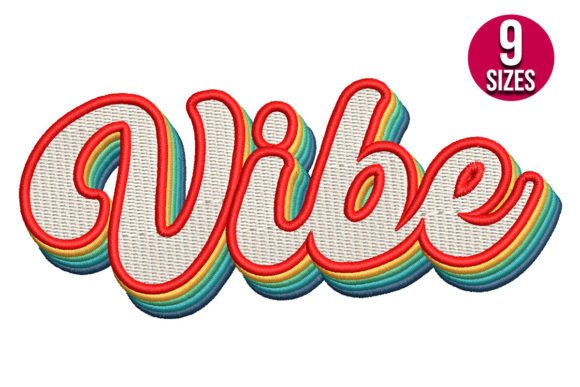
Vibe Retro: A Designer’s Honest Take on Using This Embroidery Design in Real Projects
First Impressions: Retro Charm Meets Modern Embroidery Needs
When I first opened the Vibe Retro embroidery file, what stood out was its nostalgic yet clean aesthetic. It’s the kind of design that feels familiar, like flipping through an old photo album, but with a crispness that makes it feel modern and usable in today’s handmade and custom apparel markets. The layout is balanced—neither too busy nor too minimal—and it carries a playful, approachable energy that’s perfect for a wide range of projects.
As someone who stitches for both personal work and client projects, I immediately thought of how this design could work on a custom embroidered tote bag or a cozy sweatshirt. The theme feels versatile, making it a strong contender for items that need a touch of personality without overwhelming the fabric.
Real-Life Use: How Vibe Retro Holds Up in Actual Embroidery Work
I tested Vibe Retro on a few different materials to see how it performed across common embroidery surfaces. On a cotton tote bag, the design stitched out beautifully—clear lines, no puckering, and a nice flow that made the tote feel like a boutique product. It also worked well on a baby onesie, where the design’s gentle curves and soft details added a charming touch without looking too busy or complicated.
When I moved to a sweatshirt, the thicker fabric helped the design stand out even more. The stitch density felt appropriate—dense enough to look solid, but not so heavy that it made the fabric stiff. That’s a big plus when you’re making custom apparel for clients who care about comfort as much as style.
I also tried Vibe Retro on a curved surface—a baseball cap—and it held up nicely. There was a bit of a learning curve in hooping and stabilizing, but once that was handled, the final look was clean and professional. Definitely a good option for small shops or Etsy sellers looking to expand into embroidered headwear.
Where to Be Careful: Fabric, Placement, and Detail Sensitivity
While Vibe Retro is a strong design overall, it does require a bit of thought when choosing the right project. On very thin or stretchy fabrics, I noticed that the design’s more detailed elements—like small corners and fine lines—can get a little distorted if the stabilizer isn’t applied correctly. It’s always a good idea to test on scrap fabric first, especially if you're working with something delicate like baby muslin or lightweight cotton.
Dark fabrics also revealed something important: the thread color contrast matters. On black or navy garments, the design looked bold and striking, but some of the finer details weren’t as crisp unless I used high-contrast threads. If you're planning to sell this as a digital embroidery file or offer it in your craft business, make sure to include thread suggestions or mockups in different color combinations.
One thing to watch for is the stitch density in certain areas. While it’s generally well-balanced, there are a few spots where the fill stitches are a bit heavy. On layered garments or thick materials, this could cause some stiffness or texture issues. I’d recommend checking those spots before stitching on items like baby blankets or heavy aprons.
Design Impact: From Visual Appeal to Customer Perception
What I appreciate most about Vibe Retro is how it elevates the finished product without being overwhelming. It adds that handmade, boutique feel that Etsy sellers and small shop owners are always chasing. Whether it’s on a pillow cover, a holiday gift, or a personalized sweatshirt, this design makes the item feel intentional and thoughtfully crafted.
From a customer’s perspective, it reads well at a glance. It doesn’t look overly complicated or mass-produced. That’s a big deal if you’re selling embroidered items online or at a craft fair. People want to feel like they’re getting something unique and well-made, and Vibe Retro delivers on that front.
It also holds up well in both personal and commercial embroidery projects. If you’re using it for a wedding gift, a boutique product, or even a small batch of embroidered patches, the design maintains a level of professionalism that’s hard to achieve with generic embroidery files.
Designer Notes: Practical Tips for Getting the Most from Vibe Retro
- Test on scrap fabric first, especially if you’re using a textured or stretchy material.
- Check thread color contrast to ensure visibility and clarity on light and dark backgrounds.
- Review stitch density in dense areas to avoid stiffness or distortion on thick or layered items.
- Confirm hoop size before stitching—this is crucial for curved surfaces or small garments.
- Inspect small details like corners and outlines to make sure they stitch cleanly.
- Test in black and white mockups to see how the design reads without color distractions.
- Compare light and dark fabric backgrounds to evaluate how the design adapts visually.
- Use proper stabilizer to prevent distortion, especially on stretchy or thin materials.
- Check licensing terms before selling finished items or including the design in digital product bundles.
Final Thoughts: A Versatile Design for Real Embroidery Needs
Vibe Retro isn’t just another embroidery file—it’s a design that feels like it belongs in real projects. Whether you're a hobbyist making personalized gifts or a small business owner building a line of embroidered products, this design has the flexibility and charm to fit into your workflow.
It’s not overly complex, which makes it accessible for newer embroiderers, but it still carries enough visual interest to appeal to more experienced designers. And in the world of embroidery—where the difference between a good design and a great one often comes down to how it stitches out on real fabric—Vibe Retro lands firmly on the right side of that line.
If you’re looking for a machine embroidery design that adds character without complication, and that works across a variety of products from tote bags to baby clothes to holiday gifts, Vibe Retro is definitely worth a closer look.